

Am I the only one who, when I first heard about Meta AI Smart Glasses, thought they were just another tech invention that a few years later we would be trying to remember the purpose of? I get annoyed even when I have to wear regular sunglasses. After an hour, I feel like something is too heavy on my nose, so the idea of adding a camera and electronics never sounded particularly appealing to me. At this rate, we will all be walking down the street like the Terminator.
It seems that quite a large number of people in America do not share my opinion, especially when it comes to Meta AI Smart Glasses. Revenue from Meta AI Smart Glasses and other smart glasses in the U.S. reached $436 million during the 12 months ending in May 2026, which represents a 233% increase compared with the previous 12 months, according to Circana data published by Modern Retail. In other words, the market grew to more than three times its previous size in just one year.
I had to adjust my opinion a little after that. When people spend nearly half a billion dollars on a category that I dismissed as just another strange gadget, there is probably something I missed.
Okay, but what do Meta AI Smart Glasses actually do?

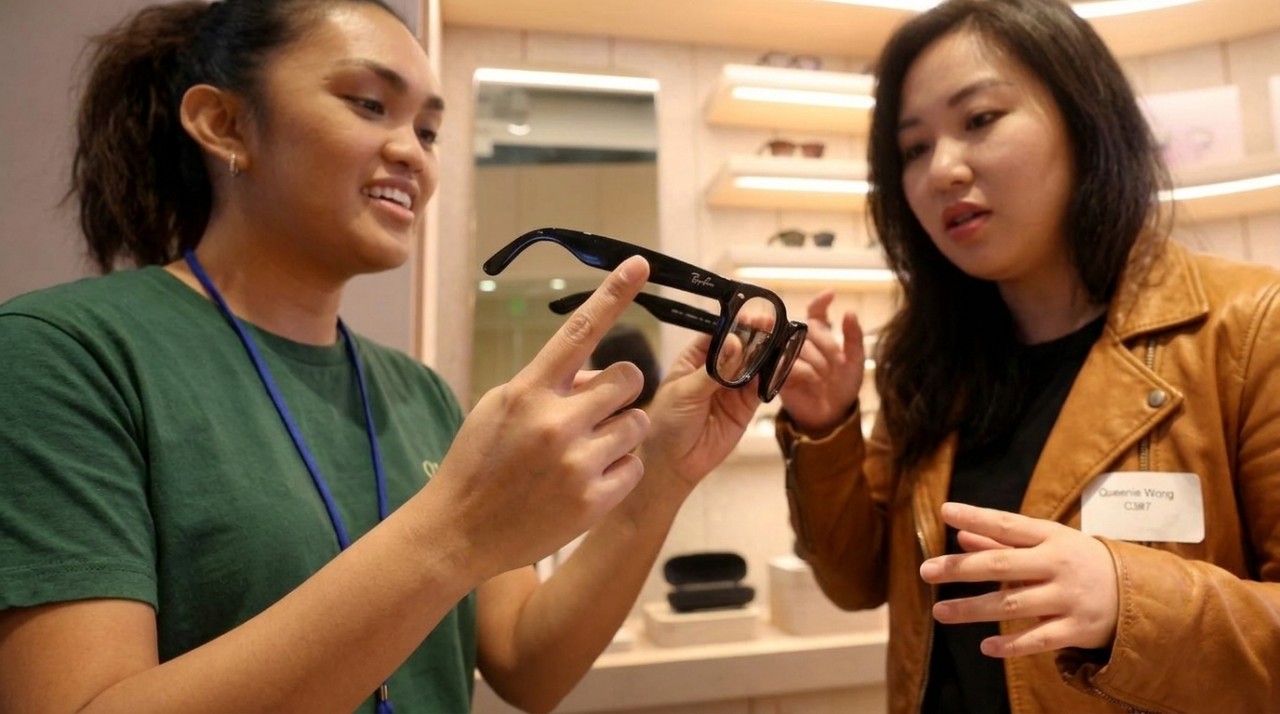
I assume a lot of people still picture a small screen in front of the eye when they hear the term Meta AI Smart Glasses. However, Ray-Ban Meta glasses have a camera, open-ear speakers built into the frames, and microphones, while Meta AI works as a voice assistant connected to what the camera sees.
You can take a photo without pulling out your phone or start a video with a voice command. Music and calls come through the speakers in the frames, so your ears stay open. Meta AI can answer a question about an object you are looking at, and supported features also include conversation translation.
Taking photos may be the best feature for me. How many times do you see something interesting, pull out your phone, and the moment is already gone? However, I still cannot shake the feeling that I look like a robot from the future sent to save the world from total destruction.
The models change almost every year
Meta clearly no longer treats Meta AI Smart Glasses as a small experiment. The first major Ray-Ban Meta generation appeared in 2023, the second arrived in 2025, and in 2026 the lineup expanded further with new frames and a third generation.
| Year | Model | Most important change |
| 2023 | Ray-Ban Meta Gen 1 | 12 MP camera, open-ear audio, and Meta AI |
| 2025 | Ray-Ban Meta Gen 2 | Up to 8 hours of battery life and 3K video |
| 2026 | Ray-Ban Meta Gen 2 Optics | Frames designed for prescription lenses and all-day wear |
| 2026 | Ray-Ban Meta Gen 3 | Thinner frame, longer battery life, and a new action button |
The evolution of the Ray-Ban Meta lineup shows that Meta is now working to make the electronics less noticeable while making the glasses themselves look more like a product you would buy even without the AI label.
During 2026, the company also moved further toward people who wear glasses because they need them. Blayzer Optics and Scriber Optics support a wide range of prescription lenses, and they have adjustable frame components that give opticians more room for customization. The starting price in the U.S. is $499.
Why I started to see the point of Meta AI Smart Glasses after all
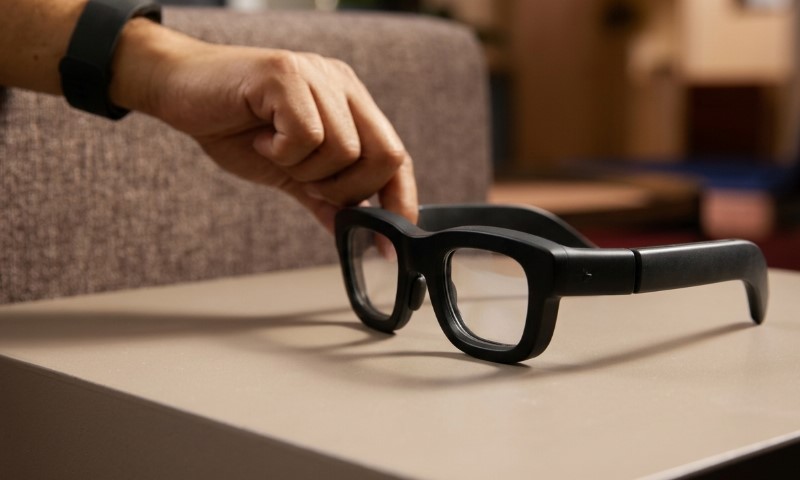
For years, I have been used to reaching for my phone first for almost every digital task.
Meta AI Smart Glasses shorten that path.
If I am walking around the city and see something I want to photograph, the camera is already where I am looking. If I am listening to a podcast, open-ear speakers work better for me than earbuds in a situation where I want to hear the traffic around me. Voice AI makes more sense when it can use visual context instead of making me describe every detail through my phone.
The data suggests that owners find value in exactly that. An S&P Global survey found that 44% of owners see a benefit for workplace productivity, while more than a third believe Meta AI Smart Glasses help them pay less attention to their phones.
That is a much better argument for Meta AI Smart Glasses to me than any futuristic presentation. If a device reduces the number of situations where I have to hold a phone in front of my face, I can already understand why someone would want it.
A camera on someone else’s face still does not feel completely comfortable to me
Meta AI Smart Glasses have a physical capture LED light that turns on during recording, and Meta says that covering the light automatically blocks the camera. It is good that such a safeguard exists, but a small white light still requires the person across from you to know what it means.
When someone pulls out a phone and points the camera at me, I immediately know what is happening. With Meta AI Smart Glasses, the line is much less obvious.
The other issue is battery life. Eight hours on the Gen 2 model represents a major improvement, but regular glasses work from the moment you put them on until the moment you take them off. Electronics introduce another device that you have to charge.
The price also rises quickly. The base Ray-Ban Meta Gen 2 model starts at a few hundred dollars, while prescription versions and more advanced models cost significantly more.
So now I can see why people buy Meta AI Smart Glasses. I am still not sure I want a camera on my face for eight hours a day, and I would probably spend the first few days constantly checking whether I had charged them. But my original opinion that this category had no real purpose clearly no longer holds up against the sales data.
It looks like I was wrong about smart glasses after all
A camera on other people’s faces will probably still feel a little strange to me for a long time.
The numbers still speak clearly enough for me to admit I was wrong. Americans spent $436 million on smart glasses in one year, sales rose 233%, and interest in devices such as Meta AI Smart Glasses now extends far beyond the small group of people who buy every new gadget as soon as it appears.
It looks like people really do want to wear smart glasses.
Maybe I have just been buying the wrong model of sunglasses all these years. If millions of people have managed to wear a camera on their nose without feeling like they have become the Terminator, I suppose it is time for me to try a pair of Meta AI Smart Glasses before I dismiss them again.