

It really bothers me that we have accepted the idea that a device that is a few years old automatically needs to be replaced with a new one. A phone costs serious money today, we all work hard for that money, and every fall manufacturers find another reason to make last year’s model feel old.
In real world use, an iPhone can easily last five to seven years, and some models remain usable even longer with a battery replacement. So, if you are wondering how long do iPhones last, that is a realistic range for many owners. On the software side, Apple has formally stated at least five years of security support for certain iPhone models, while its actual history shows longer periods.
The iPhone 11 from 2019 is still on the list of devices that support the current iOS 27 in 2026.
Now imagine a different situation
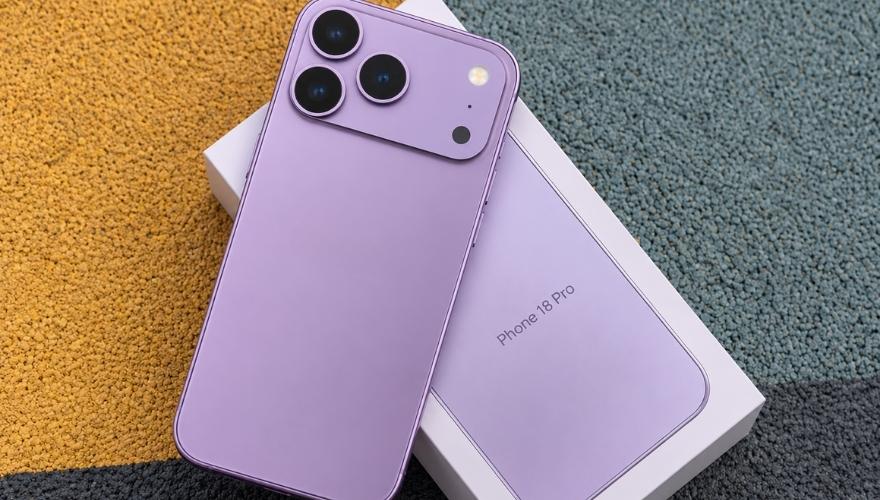
You buy a brand new iPhone 18 Pro, leave the box unopened, and remember it in 2033. Logically, you would think you have a practically new phone in your hands because it has never been used.
Technology does not age that way.
The software changes in the meantime, apps raise their minimum requirements, and the lithium ion battery chemically ages even while the phone is sitting unused. That iPhone may look like it left the factory yesterday, while inside it is already a seven year old device.
Bad scenario, right?
And it is another reason the answer to how long do iPhones last cannot be based only on how often you physically use the phone.
The battery will probably be the first thing to reveal how long iPhones last
If I had to guess what would first start annoying the owner of an older iPhone, I would pick the battery.
Apple says batteries in models through the iPhone 14 are designed to retain about 80% of their original capacity after 500 complete charge cycles under ideal conditions. With the iPhone 15 and newer models, the target is 80% after 1,000 cycles.
That is a significant improvement.
If you go through roughly one complete cycle per day, 1,000 cycles represents almost three years of daily use. In reality, the number varies because we often top up our phones during the day, while temperature and charging habits affect chemical aging.
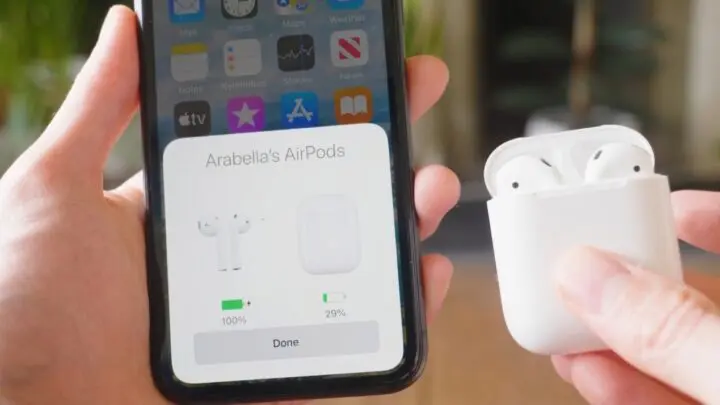
A phone with 78% Battery Health can still work perfectly well, but you will think about the charger much more often.
Apple itself says that an aging battery can affect a device’s ability to deliver peak performance. That is why, before buying a new iPhone, I would first open Settings, Battery, Battery Health and check the condition of the battery.
A $1,000 phone is sometimes just a phone that needs a new battery. Battery condition is also one of the biggest variables when someone asks how long do iPhones last in normal daily use.
Apple says at least five years, while history shows more
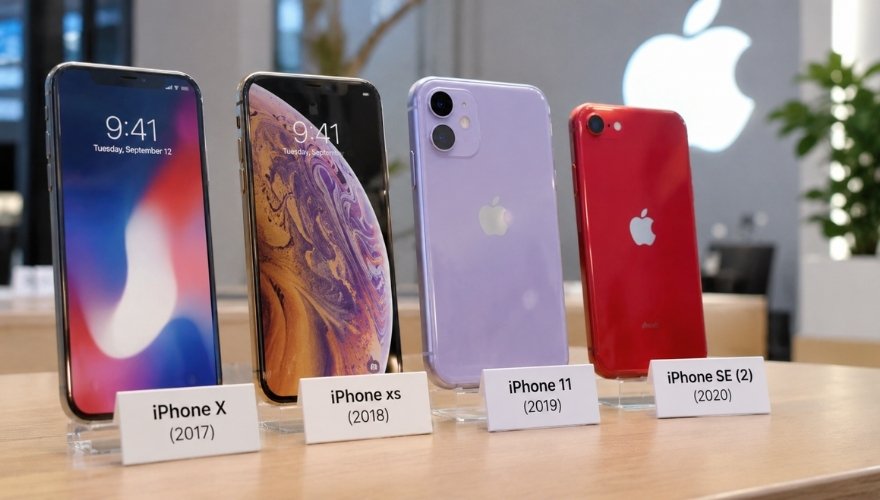
There is one detail I like about Apple here. For a long time, the company did not make the kind of classic “seven years of updates” promise that some Android manufacturers use today. When UK rules for connected device security began requiring a more precise declaration, Apple listed a minimum support period of five years for the iPhone 15 Pro Max from the first date of sale.
That minimum matters when discussing how long do iPhones last, because Apple’s real support history has often gone beyond it.
| iPhone | Release Year | Last or Current Major iOS | Major iOS Support Period |
| iPhone X | 2017 | iOS 16 | about 5 years |
| iPhone XS and XR | 2018 | iOS 18 | about 6 years |
| iPhone 11 | 2019 | iOS 27 | at least 7 years |
| iPhone SE 2 | 2020 | iOS 27 | at least 6 years |
Caption: Apple’s list of devices for iOS 27 and previous compatibility lists show how much actual support can vary between generations.
That history is one of the clearest ways to answer how long do iPhones last from a software perspective.
The same question applies to Apple’s tablets, too. Our guide explains how long iPads last and which models lost updates with iPadOS 27.
Owners of older iPhones usually complain about the same thing
While checking people’s experiences, I ended up in several Reddit threads about the iPhone 11. That happens to me almost every time I research how long a device really lasts, because a specification gives one answer while someone who has used the same phone for six years gives a completely different one.
One iPhone 11 owner wrote that the phone still works well for him in 2026, with the battery being his main complaint. Another user replaced the battery and described the phone as very usable again.
I also came across the opposite example. One iPhone 11 Pro owner used it for about six and a half years, then finally replaced it because he was charging the battery twice a day and the performance had started seriously bothering him. Those two experiences describe the life of an older iPhone pretty well.
A phone rarely decides one morning that it is simply finished. First, the battery lasts less time, and then the camera starts to feel old next to newer models. A new iOS feature does not work on your processor, and after that an app you use every day no longer supports your version of the system.
That gradual decline is another reason how long do iPhones last does not have one exact answer for every owner.
When is replacing an iPhone really necessary?
I would seriously think about replacing one only when the old iPhone starts limiting what I do every day.
For me, replacement starts to make sense when:
- The battery has become a daily problem, especially if you need to charge the phone several times a day.
- Software support has ended, and the phone no longer receives important security updates.
- Apps you rely on stop working because they require a newer version of iOS.
- Performance gets in the way, with slow app launches, frequent reloads, or noticeable delays in everyday tasks.
- Repair costs get too close to the price of a newer phone, especially when several problems appear at once.
I would usually wait until at least two of those problems show up before buying a new iPhone.
After all, do you really need a new iPhone every year, or is it better to keep using your current one as long as it meets your needs.
I would count on at least five years
If I were buying a new iPhone today and wanted to get the most out of the money I spent, I would count on five years without thinking too much about it, while six or seven years seems completely realistic with one battery replacement.
That is probably the shortest answer to how long do iPhones last for most people today.
What bothers me much more is the psychological part of the whole story.
Every year we see a new processor, a new camera, and another feature that makes it sound like our current phone is suddenly no longer good enough. Then you look at someone still using an iPhone 11 in 2026 and realize that the A13 Bionic still handles calls, messages, navigation, and most of the apps they need.
Manufacturers may want us to replace our phones every year, but I would rather keep my money a little longer.
If the battery gets weak, I will replace the battery. If the phone is still getting updates and does what I need, I will have a very hard time calling it old just because Apple introduced another Pro Max.