

Sometimes I get the impression that modern technology lasts exactly as long as the warranty does. You used to buy a TV and expect it to sit in your living room for ten or fifteen years, but today, after just a few years, you start to notice a darker part of the screen or that thing where the TV only turns on after the second try.
Most TVs can last five to ten years, and plenty of models go beyond that. How long your TV will actually last depends on the screen design and the number of hours it runs.
A large RTINGS test of 100 TVs showed that most models made it through about 10,000 hours of use without major problems, which they compare to roughly ten years of average American use.
Still, there are major differences between TVs.
Let’s first see what I pulled from the data
After a few hours with failure tests and owner experiences, I would point out a few things:
- People often replace a TV before it completely fails. NPD data cited by Tom’s Guide puts the average age of a TV at replacement at about 6.6 years.
- The backlight is one of the most common weak points in LCD TVs.
- OLED has a different type of aging. Organic pixels lose brightness over time, and static content over very long periods can cause burn-in.
- Price alone does not guarantee a longer lifespan.
The last point is especially interesting to me. For years, I assumed that a more expensive TV automatically bought you more years of use.
People replace TVs around the seventh year, but failure is often the reason they do it earlier
NPD data puts the average TV replacement at about 6.6 years, although owners have very different reasons for buying a new model. A larger screen accounted for about 44% of new purchases in their 2022 data, while Tom’s Guide says that a broken TV is one of the most common reasons for replacement across surveys and data.
I replaced my older TVs more often because I wanted a larger screen or a better picture format than because of complete failure.
What usually breaks first
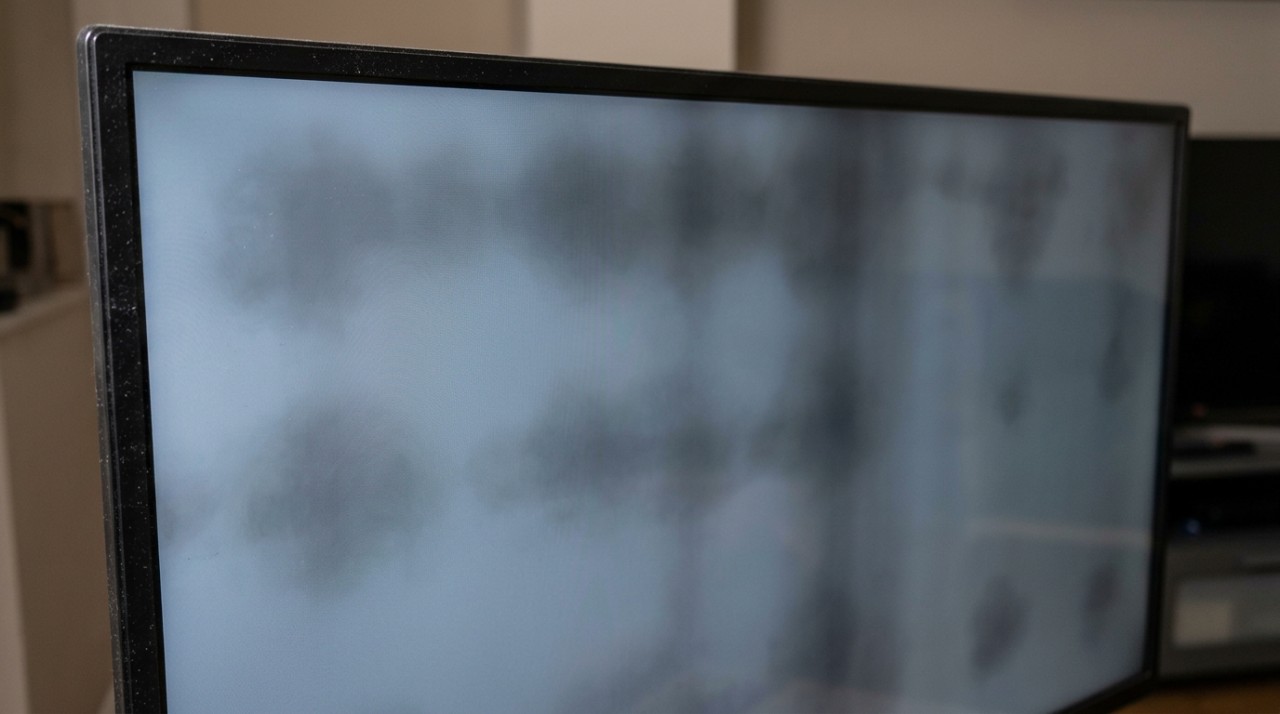
On LCD TVs, the most common failure is the backlight. If dark areas appear or there is a strong difference in brightness, the LED lighting is a serious candidate.
The power supply is the next part that can shut down the entire TV. With power problems, the TV may have trouble turning on or may shut off randomly. The good news is that the power board is a separate component, so repair is definitely possible.
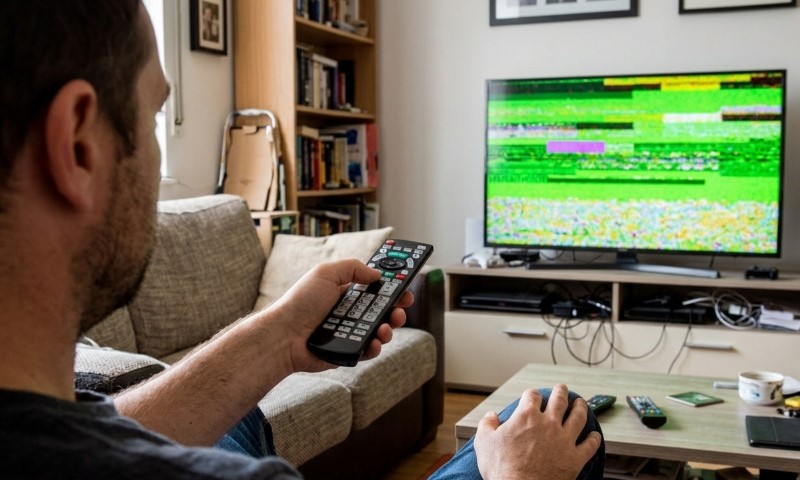
The panel is a much more expensive problem. Vertical lines, large dead areas of the picture, or serious color changes can mean a panel failure or a problem with the electronics that control it. The repair cost can then often come close to the price of a new TV.
OLED models age differently because each pixel produces its own light. The organic material weakens over time, and displaying the same static elements for a very long time can cause burn-in.
So, LCD TVs most often show a lighting problem first, while OLED depends more on what kind of content you watch and how long the same elements stay on the screen.
What can confuse you, but also be useful?
Here are a few things I did not include in this blog, but I think they may be useful to you, or at least interesting.
Can a TV last longer if I lower the brightness?
Yes. A lower brightness level reduces the load on the LED backlight in LCD models, and on OLED TVs it can slow pixel wear over a long period.
Is standby mode bad for a TV?
Standby itself generally places only a small load on the device. If you do not use the TV for a long time, fully unplugging it can reduce power consumption and protect the device during strong electrical surges.
Can surge protection really extend the life of a TV?
It can protect the power supply and other electronic components from voltage spikes. It makes particular sense in areas with frequent power outages or an unstable electrical grid.
Can dust inside a TV cause a failure?
Yes. Dust makes it harder for heat to escape and can raise the temperature of the electronics, especially if the ventilation openings remain blocked for a long time.
How a TV usually warns you before a major failure
Most TVs give some kind of sign before they stop working completely.
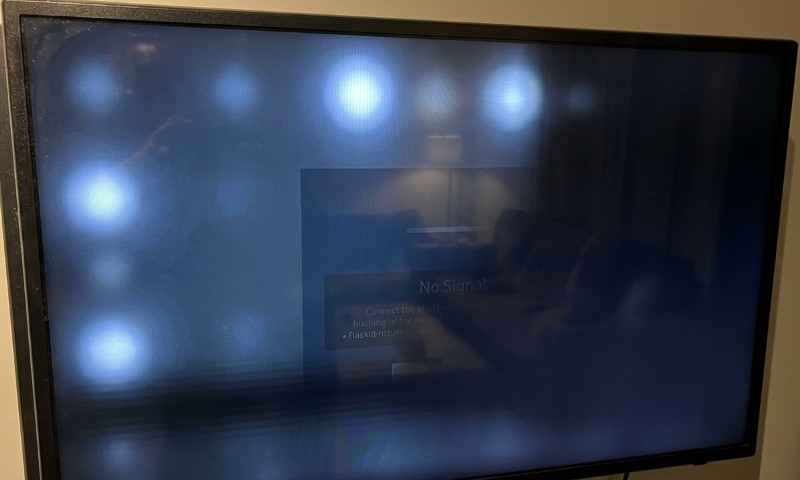
Dark areas on the screen often point to a backlight problem. On edge-lit models, they may appear along the edge or as larger uneven areas. Spots or color changes may point to degradation in the layers of the LCD panel. Changes like that are easiest to see against a solid-color background.
A TV that has trouble turning on or shuts off by itself may have a power supply problem. Before service, I would check the cable and outlet, because there is no reason to open the TV over a problem outside the device itself.
Vertical lines or a dead section of the screen are usually a more serious sign. At that point, you should already be thinking about the panel or the electronics that control it.
One short tip for you:
My favorite test is also the simplest. Put a completely white or gray image across the entire screen. Uneven lighting and color changes are much easier to notice that way than during a movie.
In the end?
For normal home use, I would count on five to ten years, with a very real chance that a good unit can last even longer.
Most TVs can make it through about 10,000 hours without a serious problem, and many models in the tests we mentioned reached around 18,000 hours of operation.
And it looks like I exaggerated a little after all with that warranty story.
Modern TVs can last a long time. I would just like manufacturers to spend a little less time on even thinner bodies and a little more on the part with the LEDs that needs to keep shining for the next ten years.