

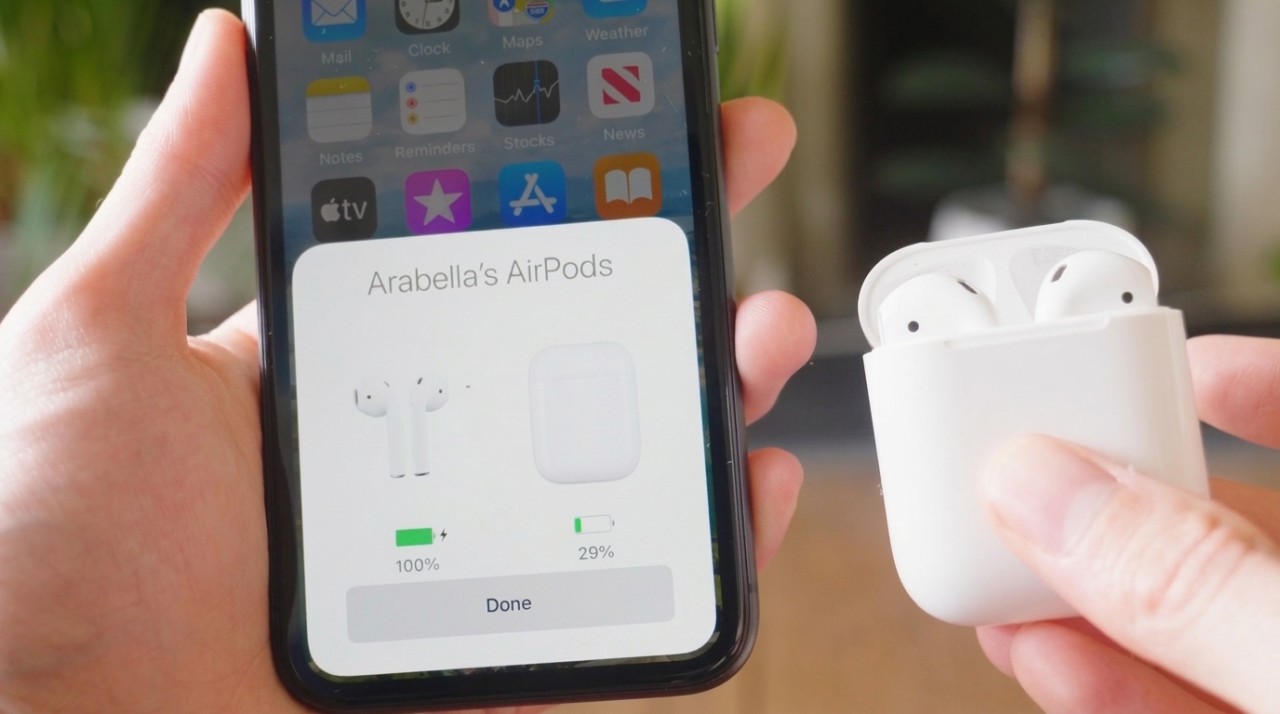
Oh no, another device to charge. Another power bank in the bag. Aaaaaah!
Have you ever wanted to take your AirPods out of your ears and throw them as hard as you can off a bridge, then check again to make sure they actually made it all the way down?
I have. Once, my AirPods battery died right before the chorus of Daft Punk’s “Technologic,” which is a pretty fitting punishment for someone who is so obsessed with technology. If you use AirPods every day, a more serious drop in capacity often starts to become noticeable after about two to three years, although the exact period depends on the number of charging cycles, temperature, and how you use them.
In other words, AirPods can physically keep working much longer than three years, but by then the battery may already last significantly less than it did on day one. Earbuds that lasted five or six hours when new may need the case much sooner after a few years.
Fortunately, Apple has started taking battery protection during charging more seriously in recent generations. It will not stop the chemical aging of the cell, but it can slow the process that one day ends with me in a very bad mood in the middle of a song.
When does the AirPods battery start to weaken?
Rechargeable lithium-ion batteries lose some capacity through charging cycles and the aging of the cell itself. AirPods have an additional problem here because each earbud contains a very small battery that you charge much more often during everyday use than the battery in a laptop.
Apple says that lithium-ion battery capacity gradually declines through charge cycles. The company does not publish a specific number of cycles for AirPods after which the battery should retain a certain percentage of its original capacity, so I would not take claims such as “AirPods are guaranteed to last 500 cycles” as a certainty.
However, AppleCare covers battery service when AirPods battery capacity drops below 80% of its original capacity.
If your AirPods delivered five hours of listening when they were new under the same conditions, 80% of that time is about four hours. Further capacity loss then becomes much easier to notice.
Why does such a small battery weaken at all?
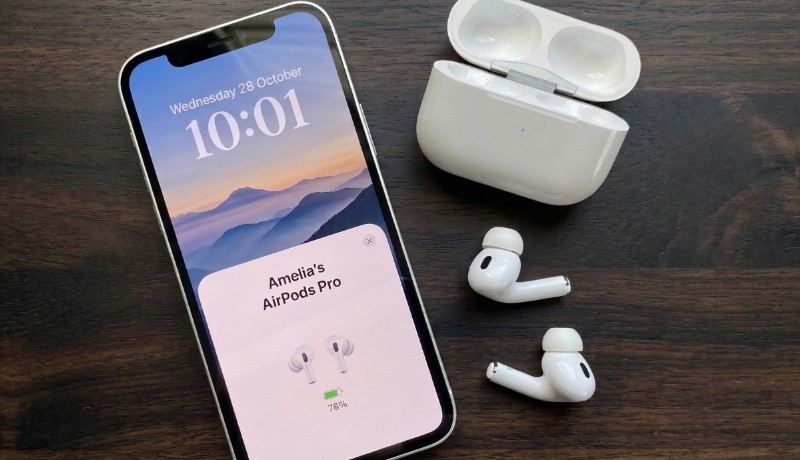
If you opened up AirPods, you would quickly see why the battery is a sensitive point.
Inside the earbud, the battery and speaker share space with the electronics that manage the wireless connection. The microphone also has to fit somewhere. You carry all of that in a device that almost disappears inside your ear.
The battery uses lithium-ion chemistry. During each cycle, a small amount of its original capacity disappears over time, so after enough charges, the same cell can no longer store the same amount of energy as it did on day one.
Heat speeds up aging even more, and that is a problem that simply has no solution!
Because of that, I would not leave AirPods in a car for long on a hot summer day, especially inside a closed case in a spot heated directly by the sun. The battery does much better at normal room temperature.
Apple also uses Optimized Battery Charging on AirPods Pro and AirPods 3 or newer models. The feature reduces the amount of time the earbuds spend fully charged and finishes charging closer to the time you usually use them.
AirPods Pro 3 also have Optimized Charge Limit, which can keep the battery below full capacity when the system determines that you do not currently need the full 100%.
I would leave both options turned on. You do not need to keep a charging journal or take the earbuds out of the case at 79%. Apple created software specifically to handle that part of the job automatically.
AirPods have improved, but the battery had the same basic problem for years
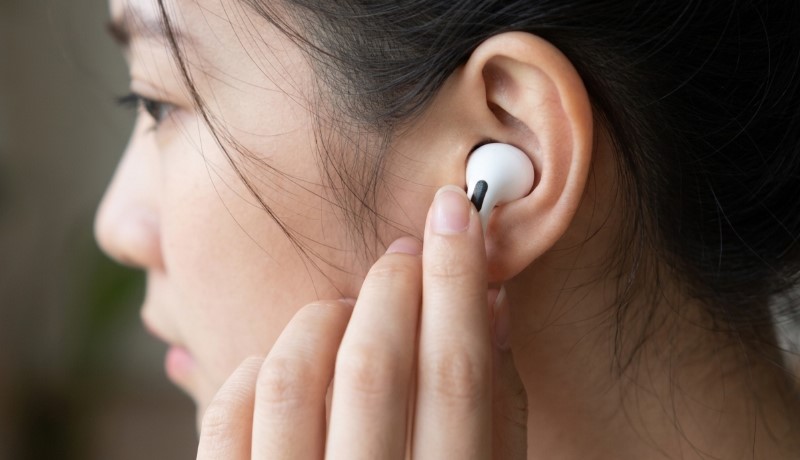
Apple has increased the number of hours you get from a single charge across generations. That also helps over the long term because greater initial battery life means that a certain amount of capacity loss becomes less annoying later.
Let’s see how the battery behaved over the years.
- The first AirPods, 2016. The small sealed batteries were very difficult to access without damaging the housing. After a few years, capacity loss often meant replacing an earbud or the entire pair.
- AirPods 2, 2019. iFixit gave them 0 out of 10 for repairability. The battery remained practically sealed inside the construction, so a normal at-home replacement was not a realistic option.
- AirPods Pro, 2019. The Pro model brought ANC and a different shape, but battery service still required Apple or a replacement device.
- AirPods Pro 2, 2022. Apple improved battery life and added software features that protect the battery during charging, while the internal battery remained very difficult to replace in the traditional way.
- AirPods 5, 2026. Here we finally have an interesting step forward. iFixit gave the new generation 2 out of 10 for repairability, which still sounds pretty bad, but it is the first score above zero for AirPods. Their teardown shows that an experienced technician could now replace the battery inside the earbud with a much greater chance of success. iFixit AirPods 5 teardown
How will you know that the battery is getting close to the end?
You charge them more and more often. Maybe you used to be able to listen to several hours of music and make calls before putting them back in the case. After a few years, the same pattern of use starts to require a recharge much sooner.
Another useful sign is a big difference between the left and right earbud. If one regularly runs out of power much earlier than the other under similar conditions, its battery may be more worn.
Apple itself recommends service when the device starts requiring more frequent charging, which includes watches as well, and under an eligible AppleCare plan, capacity below 80% falls under battery service coverage.
How long would I expect AirPods to last?
If you use them almost every day, I would expect that sometime during the second or third year you will start to notice more clearly that the battery no longer has its original runtime.
And maybe I was a little too harsh on AirPods at the beginning.
Small lithium-ion batteries age, and Apple has started to address at least part of the problem through optimized charging and newer construction. AirPods 5 even offer a little hope that future batteries will not remain locked behind glue and plastic forever.
So I probably will not throw my AirPods off a bridge just yet.
The next time the battery dies right before the chorus of “Technologic,” I can at least continue with the shortest part still stuck in my head:
“Buy it, use it.”