

I’ve been wearing smartwatches from the Huawei GT series for years. I’ve never had a Pixel Watch on my wrist as my everyday watch, mainly because Huawei gives me what has mattered most to me for a long time. The battery lasts for days, the watch helps me during workouts and daily activities, and in all these years it has never let me down when I needed it.
Still, someone on the Google Pixel development team deserves a raise. In a smartwatch category where we often look at a new sports mode or yet another compass variation, Google has created a feature that could genuinely help someone one day.
Yes, Pixel Watch can call emergency services when a supported safety feature detects a serious problem and the user no longer responds to alerts. The new Breathing Emergency Detection feature is available on Pixel Watch 4 and Pixel Watch 5 models in supported European countries, and the watch tries several times to get a response from the person wearing it before making the call.
I’ll admit something else. I’ve probably reached that age. Today, the possibility that a watch could call for help at a moment when I no longer can seems like a pretty good reason to read the specifications all the way through.
Let’s Get to Know the Pixel Watch First
The first Pixel Watch appeared in 2022 and immediately used Fitbit’s experience with health features. Through later generations, Google started to give a bigger role to features that can respond during a serious event.
One of the first important steps was Fall Detection. The watch can detect a hard fall through motion sensor data, then check the user’s condition and, if there is no response, contact emergency services.
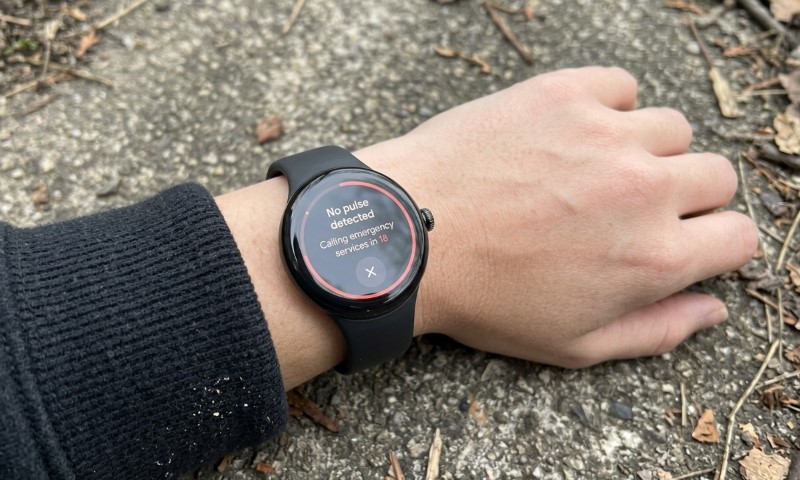
Pixel Watch 3 introduced an even more interesting step with Loss of Pulse Detection. When the system stops detecting a pulse and gets no response from the user, the watch can start an emergency procedure in supported markets.
Smartwatches slowly reached the point where they can accurately display some of this data, but like everything else in the world, this industry has moved forward too.
How Does the Breathing Emergency Detection Feature Work on the New Pixel Watch?
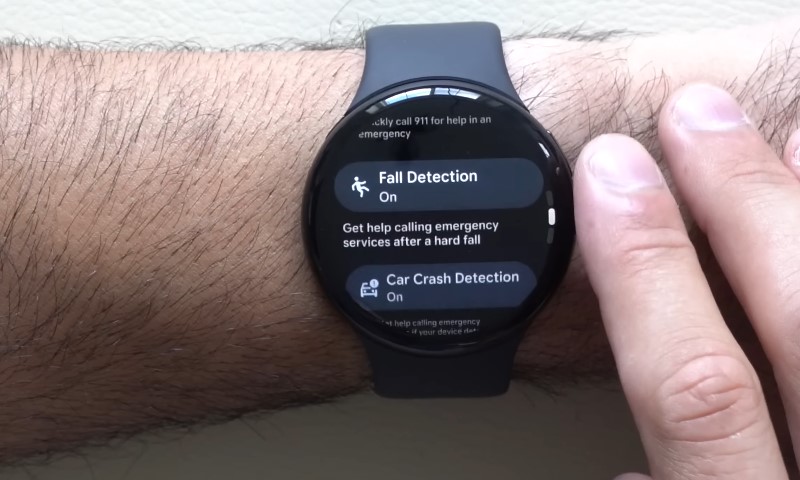
With this feature, Pixel Watch relies on the PPG sensor on the back of the case. The same type of optical system has tracked heart rate on smartwatches for years, and here it provides data related to changes in blood oxygen levels.
The sensor itself gives only part of the picture. Motion data helps the system estimate what the person is doing at that moment, while the barometer provides context related to changes in altitude. HLTH highlighted during the feature announcement exactly this combination of the PPG sensor with accelerometer and barometer data.
Why Does That Matter?
Imagine the watch records a drop in oxygen saturation. A change during movement at a higher altitude gives the system a very different context than the same reading in a person who is almost motionless.
Google’s algorithm therefore looks at the pattern over a certain period and processes the data directly on the device. The focus is on a serious and sustained drop in oxygen saturation along with additional data that helps assess the situation.
Can Pixel Watch Really Call for Help If You Don’t Respond?
Video by user “Setup & Solve” shows a step-by-step guide on how to activate the Emergency SOS feature on Google Pixel Watch 3
It can, and the sequence of events is probably the most interesting part of the whole story to me.
When Breathing Emergency Detection recognizes a pattern that matches a serious respiratory event, Pixel Watch vibrates and shows a full-screen alert. The first check lasts about 30 seconds, giving a person who is aware of the situation enough time to respond.
Movement during the first stage can stop the process.
If there is no response, the watch moves to the second step. It activates a loud alert and starts a new countdown of about 30 seconds. During that stage, the user can stop the emergency procedure through the screen.
Why does it check the same thing twice?
Here I would give Google’s team a lot of credit for the way they think. An optical sensor on the wrist works in real-world conditions, so the position of the watch or its contact with the skin can affect the signal.
If there is still no response after the second period, Pixel Watch tries to place an emergency call. An automated message tells the dispatcher about the detected respiratory event and the user’s location. Google made this part of the system the final step in the entire procedure.
It is also important to mention that the watch uses its connection to the phone so the call can reach emergency services.
Interesting and innovative, we can agree, dear readers of my blog!
How Close Are Older Pixel Watch Models to the Same Idea?
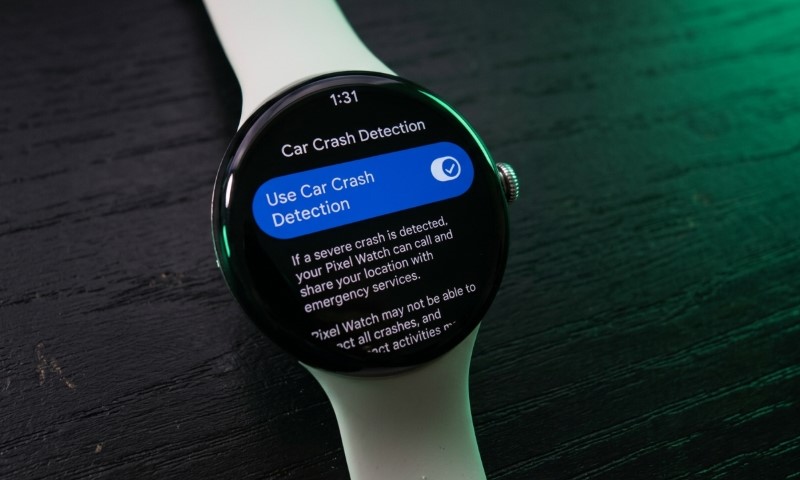
Breathing Emergency Detection is a new feature, but Google has been developing a similar safety approach for several generations.
Here are the differences in technical specifications between the old and new models, so you can decide for yourself, if you already own one, if buying a new one is worth it or just a waste of money:
| Model | Year Released | Main Safety Features | Loss of Pulse Detection | Breathing Emergency Detection | Emergency Call Without User Response |
| Pixel Watch | 2022 | Emergency SOS, Fall Detection | No | No | Yes, during a supported Fall Detection event |
| Pixel Watch 2 | 2023 | Emergency SOS, Fall Detection, Safety Check | No | No | Yes, during a supported Fall Detection event |
| Pixel Watch 3 | 2024 | Emergency SOS, Fall Detection, Loss of Pulse Detection | Yes | No | Yes, after a fall or loss of pulse in supported markets |
| Pixel Watch 4 | 2025 | Emergency SOS, Fall Detection, Loss of Pulse Detection, Breathing Emergency Detection | Yes | Yes | Yes, including a supported breathing emergency |
| Pixel Watch 5 | 2026 | Latest set of Pixel Watch safety features | Yes | Yes | Yes, including a supported breathing emergency |
Pixel Watch has gained a broader set of safety features with each generation, and Google’s current emergency features show how much the role of the watch has changed since the first generation.
The current Google availability list includes Austria, Belgium, Denmark, France, Germany, Ireland, Italy, the Netherlands, Norway, Portugal, Spain, Sweden, Switzerland, and the UK.
The U.S. market currently does not have the same availability because the feature still does not have the appropriate regulatory status with the FDA.
With health features, that part often gets missed in the specifications, so you may have to be patient if you are reading us from the United States or another country waiting for this regulation.
Would I Switch to Pixel Watch Because of This Feature?
Huawei GT has served me well as a smartwatch for years. The battery works for me, I know how it behaves during workouts, and I’m used to the way it works.
Apple is also exploring new wearable designs, including a screenless fitness band that could challenge Whoop and Garmin.
Pixel Watch, with Breathing Emergency Detection, has still given me a reason to take it more seriously in the future, but still not enough to pull cash out of my wallet!
My answer to that question is: I’m not sure!